File Formats and Delivery
A technical guide for artists and producers on how to prepare, transfer, and manage audio data to ensure the highest sonic quality from recording to final master.
Digital Audio Standards
In modern music production, the choice of file format directly impacts the final sonic integrity. At Grushdelta, we utilize uncompressed WAV files as our primary industry standard. While compressed formats like MP3 are convenient for quick previews or sharing demos, they are unsuitable for delivery as they introduce irreversible data loss and artifacts that can be magnified during the mixing and mastering stages.
Regarding sampling rates, we typically operate at 44.1kHz or 48kHz. If your project requires high-resolution recording (such as 96kHz), please consult with our engineers in advance. We strongly recommend a bit depth of 24-bit; this ensures a wider dynamic range and provides a necessary safety margin against clipping and noise during intensive editing.
Defining Multitracks vs. Stems
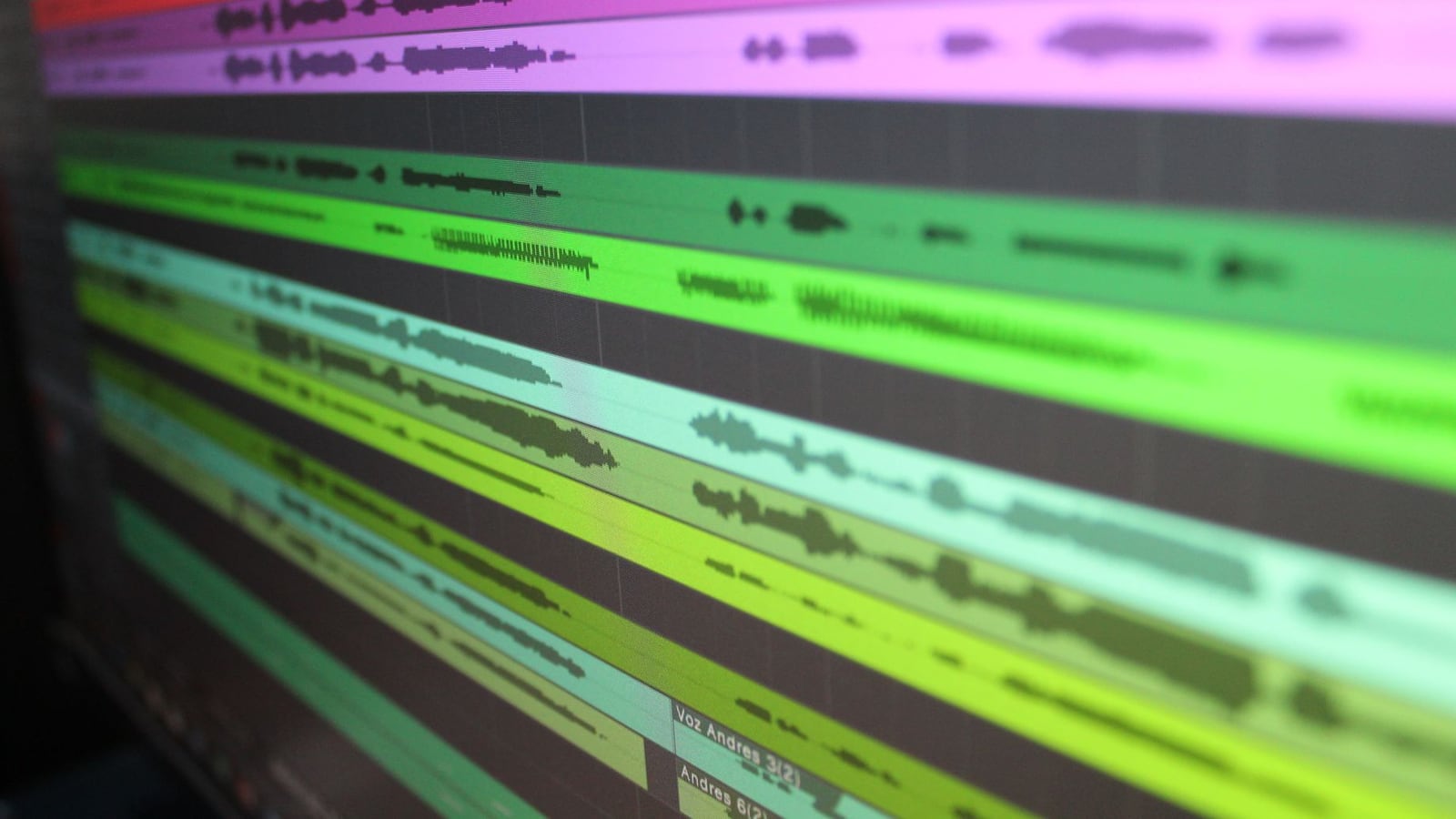
To avoid confusion during the delivery process, it is essential to distinguish between "multitracks" and "stems." Multitracks refer to every single individual recording—each vocal take, every drum microphone, and every instrument line—separated into its own file. Stems, conversely, are sub-mixes where related tracks are grouped together (e.g., a "Drum Stem" containing kick, snare, and overheads already balanced).
When requesting mixing services, we require all multitracks. This allows our engineers to apply precise EQ, compression, and noise removal to each element individually. If you provide stems, the internal balance of those groups must be finalized, as the engineer will have limited control over the individual components within that stem.
Delivery Checklist
To ensure a seamless transition from recording to post-production, please verify your files against the following criteria. Unclear file naming or incorrect formats can lead to delays in the production timeline and may impact the final delivery date.
| Checklist Item | Recommended Setting / State | Priority |
|---|---|---|
| File Format | WAV (Uncompressed) | Mandatory |
| Bit Depth | 24-bit or 32-bit float | Recommended |
| Sample Rate | 44.1kHz / 48kHz / 96kHz | Mandatory |
| File Naming | e.g., "01_LeadVocal_Dry.wav" | Recommended |
| Processing | Dry (No effects/plugins) | Recommended |
Data Transfer and Security
Due to the massive size of high-resolution audio files, email is not a viable transfer method. We utilize secure cloud storage solutions such as Google Drive, Dropbox, or WeTransfer. We ask that you maintain a simple folder structure where each track is clearly labeled and distinguished.
For clients based in Fukuoka, we also accept physical delivery via external hard drives or USB flash drives. You may bring these directly to our studio in Chuo-ku or send them via courier. Upon receipt, our engineers perform a data integrity check to ensure no files were corrupted during the transfer process.
Archive Retention and Management
To provide peace of mind for our clients, Grushdelta manages secure backups of all session data. In accordance with our business rules, we maintain your archives for 12 months following the final delivery. Within this window, we can accommodate requests for re-editing or format conversions.
Please be aware that data exceeding the 12-month limit is permanently deleted to optimize storage capacity. We strongly urge all clients to maintain their own redundant backups of the final master files and all original multitracks for their long-term records.
Revision Rounds and Final Deliverables
During the mixing and mastering process, we refine the sound based on your feedback. Grushdelta provides 3 rounds of revisions per track. When submitting feedback, please use specific timecodes (e.g., "at 0:45, please lower the vocal volume slightly") to ensure accuracy.
The final delivery package typically includes:
1. High-Resolution Master (WAV, 24-bit/44.1kHz or higher)
2. Streaming-optimized files (MP3, 320kbps)
3. Instrumental versions (backing tracks) upon request.
Local Production in Fukuoka
Located in the heart of the Tenjin area in Fukuoka City, we prioritize rapid collaboration with local artists and creators. While digital transfer is efficient, we recommend a "listening session" at the studio, where you can work directly with the engineer to finalize the sound in a treated acoustic environment.
For audio intended for local Fukuoka live houses or events, specific mastering is required to suit the venue's PA system. If you inform us of the specific venue or playback environment, we can optimize the loudness and frequency balance to ensure the track translates perfectly to that space.
Related Guides and Next Steps
Poor preparation before recording can negatively impact the quality of your delivery files. If you are just starting your project, please read our Preparation Guide for Recording to ensure your session is optimized.
For more information on the sonic polishing of your tracks, visit our Mixing & Mastering service page. If you have specific technical questions or a unique project requirement, please reach out to us via the Contact page.